


 Schedule Service
Is Shading Your AC Unit Worth It?
Back to BlogYou’ve invested a lot of money in your air conditioning system to shield you and your family from Georgia’s hot summers. One simple way to protect that investment is to shade the area around the compressor to lower the outdoor temperature and reduce wear and tear on the system, helping to keep it humming smoothly for years to come. Although shading your AC unit is definitely worthwhile, there’s a right and wrong way to go about it. Learn why shading your AC compressor is a great idea and how doing it properly will avoid damaging the system.
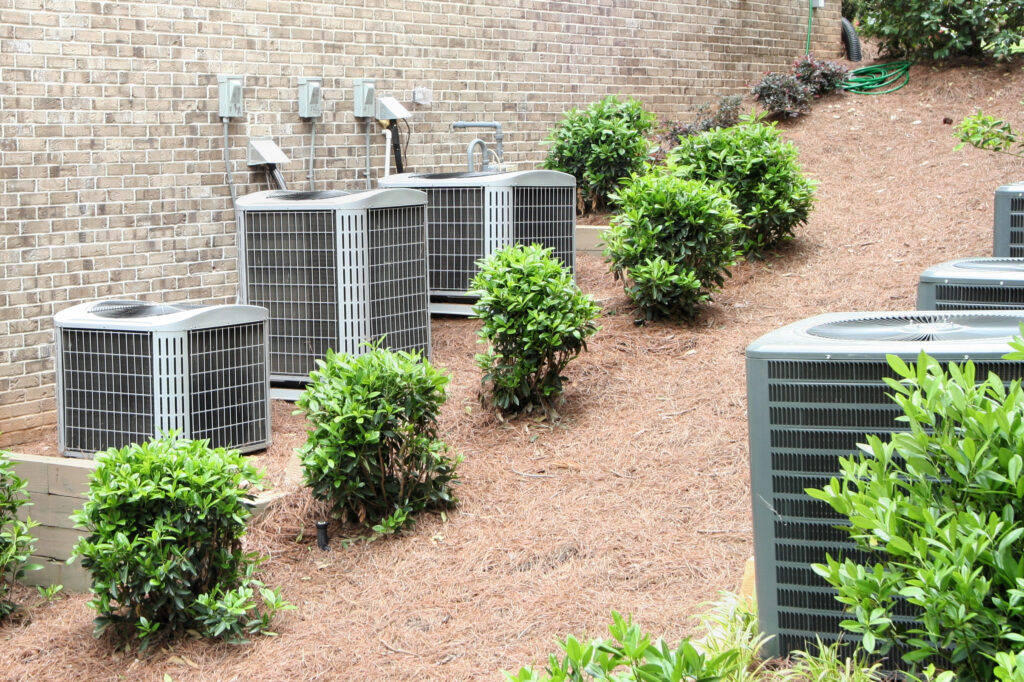
Don’t forget that all the shade in the world doesn’t take the place of regular maintenance!
Why Shading Your Air Conditioner Can Increase Its Efficiency
Planting trees to shade your air conditioner can make the unit 10% more efficient, according to the U.S. Department of Energy. Planting just three trees in strategic areas near the compressor and large windows that let heat stream in can reduce your annual cooling costs by $100 to $250 depending on the size of your cooling unit.
Shade trees keep outdoor temperatures down by cooling the air around them and blocking unrelenting sunlight from heating the ground. After a long day of absorbing heat, the ground releases it into the air and makes your air conditioner work harder than it needs to. It’s even more cost-effective to shade your air conditioner if you live in a brick or stucco home that endures an endless cycle of absorbing and releasing heat near your compressor. Consider planting trees, shrubs, and installing an awning over the compressor to shield it from temperature extremes.
How to Shade Your AC Unit the Right Way
Shading works best when it lowers the temperature around the outdoor unit without trapping heat or blocking airflow. In Georgia, that usually means aiming for partial shade during the hottest part of the day, while still leaving plenty of open space on all sides of the condenser so it can pull in air and exhaust heat efficiently. If the shade structure is too tight, or if plants grow into the unit’s clearance zone, the condenser can recirculate hot air and run longer than it should, which can look like “the AC can’t keep up” even when the thermostat is set normally.
If you want a simple starting point, focus on three things: location, clearance, and maintenance. First, position shade so it blocks the strongest afternoon sun without covering the unit like a box. A taller awning, a lattice panel set back from the unit, or trees that cast dappled shade can all work, as long as the hot air has somewhere to go. Second, keep the area around the unit tidy, because leaves and clippings can build up fast and reduce performance. If you’re seeing extra debris or you’re unsure what’s safe to do yourself, the tips in safe DIY AC cleaning can help you avoid damaging the fins while you’re improving airflow. Third, remember that shading is an efficiency boost, not a fix for an underlying problem, so if your system is clicking, short cycling, or struggling during heat waves, professional AC repair can identify issues like dirty coils, restricted airflow, or failing components before they turn into a full breakdown.
What Should Be Planted Near an AC Unit?
If your air conditioner is on the south side of your home, plant trees that will grow tall and provide a wide, spread-out canopy to offer maximum shade. If the compressor is on the west, east, or north side of your home, 6- to 8-foot deciduous trees are a great choice to provide shade to your cooling unit within one year of planting. If you’re in the market for a new AC unit, place it on the north side of your home, if possible, since this location will provide maximum protection to your system.
In addition to planting trees and shrubs near the compressor, consider placing awnings over large south-facing windows and shading sidewalks, patios, and paved walkways to reduce heat transfer. However, when planting any kind of tree or shrub near your compressor, make sure you don’t encroach too closely on the unit by blocking its air intake. Blocking the air intake will make your compressor work harder than it needs to and eventually will cause the system to break down.
The Don’ts of Shading Your AC Unit
When shading your AC unit, make sure to keep these don’ts in mind!
- Don’t restrict the airflow around your unit. This includes providing plenty of clearance for low-hanging trees, bushes, and any other shrubbery.
- Don’t allow vegetation like leaves, moss, or any other materials clog your unit
FAQs on Air Conditioning
Shading can help efficiency, but the best results usually happen when you pair it with AC tune-up timing so the system is clean and ready for peak heat.
A gentle rinse can help with loose debris, and following safe cleaning steps can prevent bent fins and blocked airflow.
Leave plenty of space for airflow and service access, and if you think the unit is being choked, schedule AC repair so performance can be checked under load.
Some condensation is normal, but if you’re seeing puddles or repeated dripping, AC leaking water symptoms can help you tell when it’s time to investigate.
If the system won’t cool during extreme heat or shuts off unexpectedly, getting emergency AC repair can prevent bigger damage and reduce downtime.
Have More Questions?
The Professionals at Conditioned Air Can Help!
Shading your air conditioner will increase its efficiency, add years to its longevity, and save you money on cooling costs. If you’d like to learn more about choosing the right trees and plants to shade your compressor or to ensure you’re planting them in the most strategic location, contact the experts at Conditioned Air, Inc. Our team can help you find the best solutions to shade your compressor to keep it effectively cooling your Macon home for years to come.